It is a term that defines how, when acquiring audience feedback not all of them respond in the same way because of how differently each person receives and responds to the text that they consume. Due to this, a variety of responses are acquired. In short it is "the way we react" and audience reception allows us to group together all the unique consumer interpretations.
Encoding Decoding Theory
Stuart Hall, 1973
Producers encode meaning/ideology into texts, this is then decoded by the audience/consumers.
Thankfully, audiences are active in their interpretations and can decide whether or not they want to accept a producers message through those text.
Encoding Decoding Model

Body language can be used to decode texts which will allow understanding of relationships and emotions like in TV shows and films today. They do however have several meanings and can be understood or decoded in numerous ways which suggest that the way each consumer decodes the message might be different due to all their unique experiences.

When audiences agree and accept what the producers are encoding this is known as:
Preferred Reading
When audiences partially agree with the messages encoded by the producers this is known as:
Negotiated Reading
When audiences completely reject/disagree or decode the text in a completely different way this is known as:
Oppostional Reading
Preferred Reading
Is when the text is aimed to encourage feelings which are familiar to the consumer such as hunger, love or victory. These are feelings which the consumer may recall while they are on the move which may lead them to want to go watch a romantic film, buy the latest action game to play and or buy food at a food chain store.
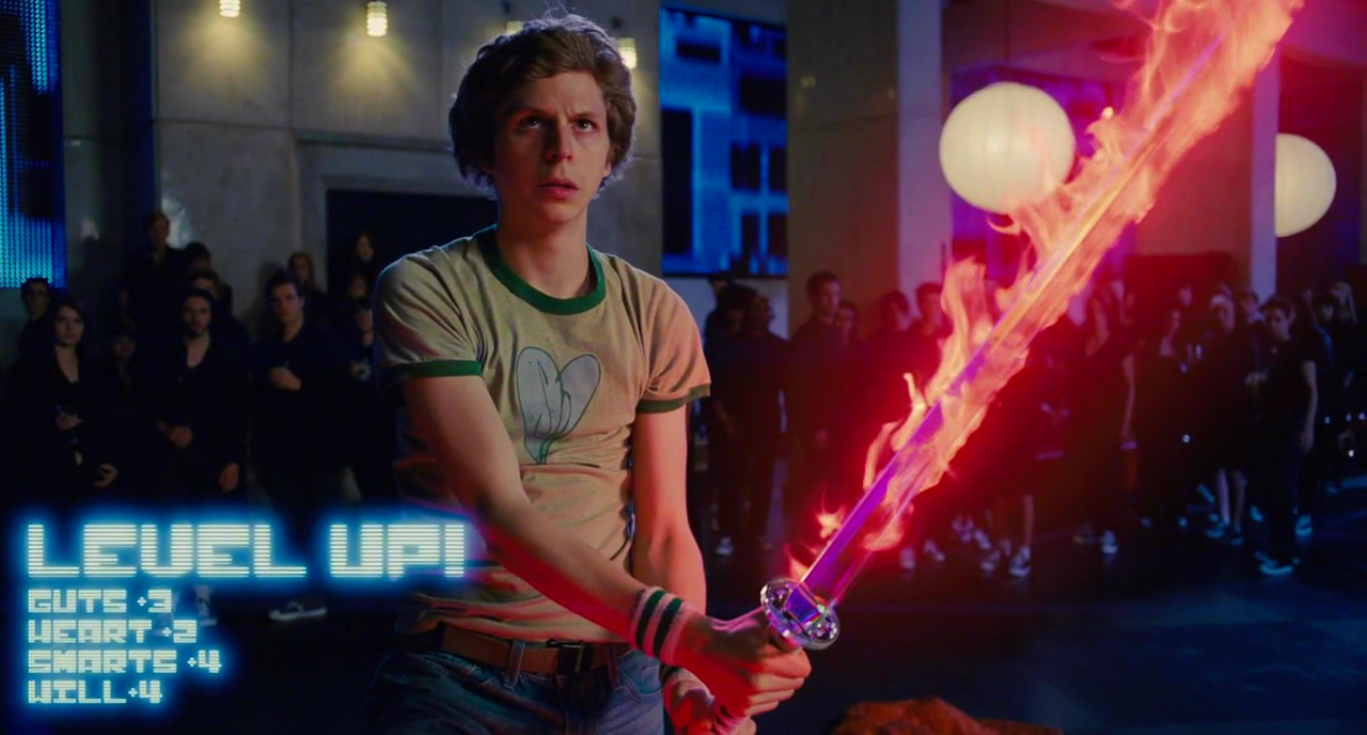
"Scott Pilgrim" is an example of a film which I have a preferred reading with because I recognize and personally like its unique gaming idea and that fact that its adventure and action.
Is when the consumer will be satisfied to consume the products however the consumers who are more aware and concerned with their health and safety might consider the text an annoyance, though they would still understand that eating the products after long break periods wouldn't be that dangerous.

"Mc Donalds" is an example where I may oppotionally read their text because I am partially concerned with my healt and safety in terms of food diet etc.
Oppositional Reading
" He is purple - the gay pride color; and his antenna is shaped like a triangle - the gay pride symbol" This is how some people may differently decode the TV show called Teletubbies which could lead some people into not wanting their children to watch the show. Due to the characters "magic pink bag" some people decode the text in the show as a model for a gay lifestyle which some people who do not agree with the gay lifestyle may find threatening for their child to watch.

This is an example which I do not agree with however I do understand how some people may decode Teletubbies text that way.
Encoding Decoding Music Videos
Personally our music video is meant to encode a message of rebellion and standing together as one however based on how well we use Mise-en-scene, some people may be able to completely decode our message the correct way and they may agree with it however if we fail to do this and people are unable to decode the message or do not find the message to be agreeable, then our music video might appear like some others that only have random footage with not context.
In a similar way I like some genre and of music whereas some I totally do not adore. For example I personally am not too into Rap songs especially if they are about popular contexts today like money and drugs. However some song artist or bands I do like, like "Panic at the disco" which I feel is a very unique band with amazing and strong reflections of emotions.


No comments:
Post a Comment